


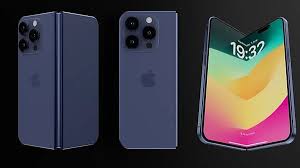
Apple is preparing to make one of its boldest hardware moves yet with the launch of a foldable iPhone, reportedly scheduled for fall 2026. According to Bloomberg’s Mark Gurman in his latest Power On newsletter, the device will mark Apple’s official entry into the foldable smartphone category, positioning it as a competitor to Samsung and other major players.
A Foldable Design Inspired by Books
The upcoming foldable iPhone is said to adopt a book-style design, similar to the Samsung Galaxy Z Fold series.
- Outer Display: A 5–6-inch touchscreen will serve as the standard iPhone interface when the device is closed.
- Inner Display: Unfolding the device will reveal a significantly larger 8-inch display, optimized for multitasking, productivity, and immersive entertainment.
This dual-screen approach ensures the phone can function as both a traditional iPhone and a tablet-like device.
Four-Camera Setup
Apple is expected to equip its foldable with four cameras, offering flexibility across different use cases:
- A front-facing camera for use when closed.
- Two rear cameras — a wide main sensor plus either an ultra-wide or telephoto lens.
- An additional inner camera positioned on the foldable display for selfies and video calls.
This system aims to maintain the photography standards of the iPhone lineup, while adapting to the new form factor.
The Return of Touch ID
Perhaps the most unexpected feature is the comeback of Touch ID.
Since Face ID relies on Apple’s bulky TrueDepth camera system, fitting it into a device just 9.5mm thick when closed (less than 5mm per half) poses challenges. Instead, Apple will integrate a side-mounted fingerprint sensor for authentication, bringing Touch ID back to the iPhone in a modern form.
Connectivity, Modem, and Design Choices
The foldable will debut with Apple’s new C2 modem, a successor to the C1 chip used in the iPhone 16e. This new modem will deliver faster speeds and will first appear in the iPhone 17 Air (2025) before being integrated into the foldable iPhone in 2026.
Other expected details include:
- No SIM card slot — the device will rely entirely on eSIM technology.
- Minimalist colors — launching in black and white only, reflecting a clean first-generation approach.
- Premium build quality — consistent with Apple’s reputation for design precision.
Price and Release Timeline
While pricing has not been confirmed, Apple’s foldable will almost certainly sit at the top of the iPhone range. With flagship Android foldables already starting around $1,800, industry observers expect Apple’s model to be positioned in a similar — if not higher — price bracket.
Production is expected to begin in early 2026, with the official consumer release planned for fall 2026.
What’s Next for iPhones?
The foldable isn’t the only major shift in Apple’s roadmap. Looking further ahead:
- 2027 iPhone Pro Lineup → Expected to debut an all-glass design, marking the most dramatic visual change in years.
- 2025 iPhone 17 Lineup → Will remain familiar in appearance from the front, but introduce a rectangular rear camera module and the launch of the ultra-thin iPhone 17 Air.
Apple’s move into foldables signals more than just a new product category — it reflects the company’s readiness to reshape the future of iPhones, combining premium design, advanced hardware, and long-term innovation.
Subscribe To Get Update Latest Blog Post
No Credit Card Required


