


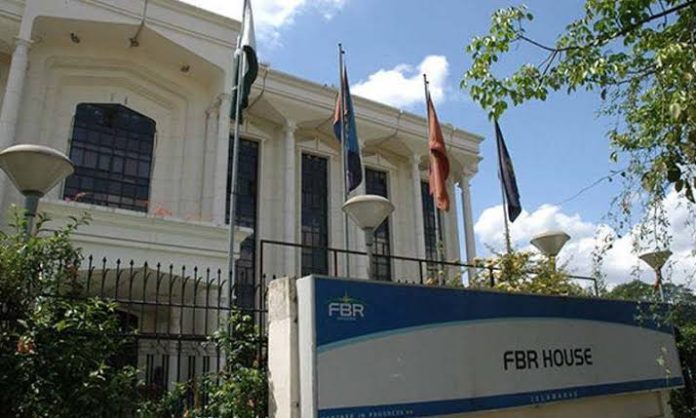
The Federal Board of Revenue (FBR) has rolled out a major procedural change for investigations that could lead to the arrest of businessmen accused of tax fraud, introducing an additional safeguard involving direct consultation with the business community.
Under the recently issued Sales Tax General Order No. 2 of 2025, the FBR can no longer authorize such investigations independently. Instead, the process now requires input from two officially nominated representatives of the business community before final clearance is granted.
Step-by-Step New Approval Process
The new procedure begins at the Commissioner level, where the initial review of any suspected tax fraud case will take place. If the Commissioner determines that the case has merit and should proceed, they must then seek advice from two designated business community representatives.
Only after these consultations can the matter be forwarded to the Member (Inland Revenue Operations) for the final decision.
To maintain transparency, the FBR has announced that it will publish the names of the selected business representatives on its official website, allowing the public and the business community to see exactly who is involved in the review process.
Purpose of the Reform
The FBR has positioned this change as a move to ensure fairness, prevent harassment, and protect legitimate businesses from unwarranted investigations. By involving credible members of the private sector in sensitive decision-making, the government aims to balance strict enforcement against genuine tax fraud with the protection of honest entrepreneurs.
Building Trust Between Government and Businesses
According to officials, this step will act as a confidence-building measure for traders and entrepreneurs, reassuring them that tax authorities will proceed against them only when strong grounds exist. It also reflects the FBR’s intention to foster a more cooperative relationship with the private sector, while still retaining its authority to crack down on fraudulent practices.
By making consultation a mandatory part of the approval process, the government hopes to strengthen trust, promote voluntary tax compliance, and encourage collaboration between tax regulators and the business community.
Tags:
Subscribe To Get Update Latest Blog Post
No Credit Card Required


